
How Holiday Camps Help Children Build Friendships and Confidence (And What Parents Can Learn From It)
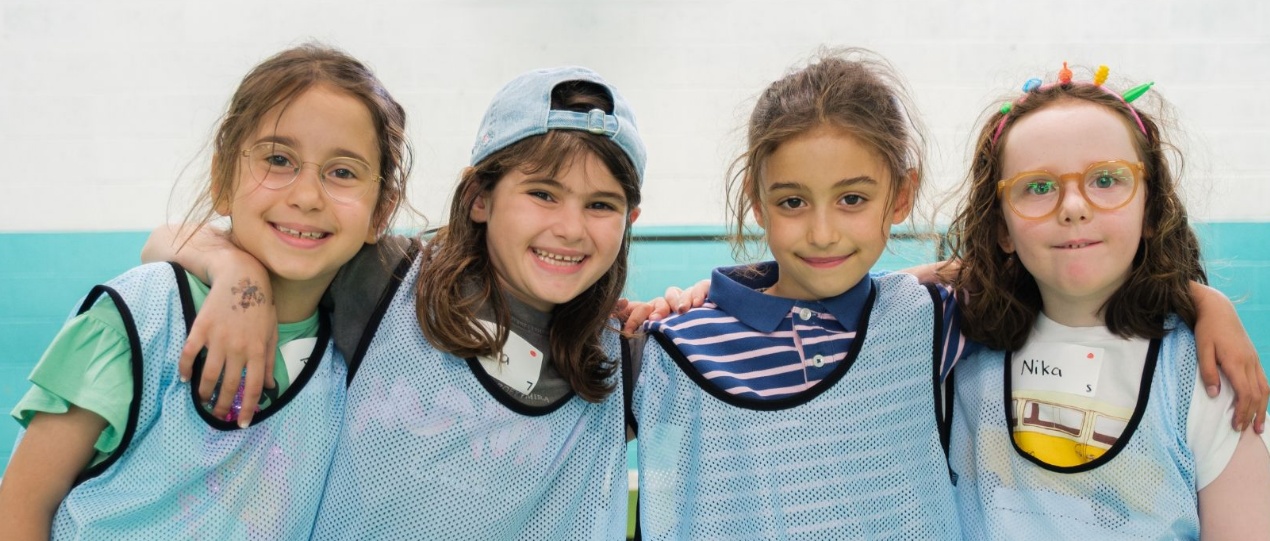
One minute they're clinging to your leg at drop-off.
Two days later they're asking if their new friend can come over.
It feels impossibly fast.
But child development research helps explain why friendships often form so quickly at holiday camps. Shared experiences, trust and repeated positive interactions help children connect much faster than many parents expect.
That's exactly why holiday camps are such powerful environments for helping children build friendships. Whether they're attending their very first holiday camp at four years old or returning as a teenager, children of all ages benefit from opportunities to meet new people, build confidence and create lasting friendships.
Here's what makes those connections happen so naturally.
Friendships Grow Through Shared Experiences
Every parent hopes their child will find someone they click with. Watching them walk into a room full of strangers can be harder on us than it is on them.
Research into child development shows that shared experiences (laughing together, solving problems, working as a team and overcoming small challenges) help children build trust remarkably quickly.
That's exactly what happens every day at a great holiday camp.
Whether they're building dens, creating artwork, playing team games or encouraging each other through a new activity, children are constantly experiencing moments that strengthen social bonds.
Holiday camps naturally create repeated opportunities for children to interact, solve problems together and celebrate small successes. Over the course of a day, those moments build familiarity and trust in a way that's difficult to recreate in many other settings.
Developmental research has long shown that cooperative play helps children practise communication, negotiation and teamwork, all of which contribute to stronger social connections and lasting friendships.
These experiences give children something psychologists call shared positive memories, one of the strongest foundations for friendship.
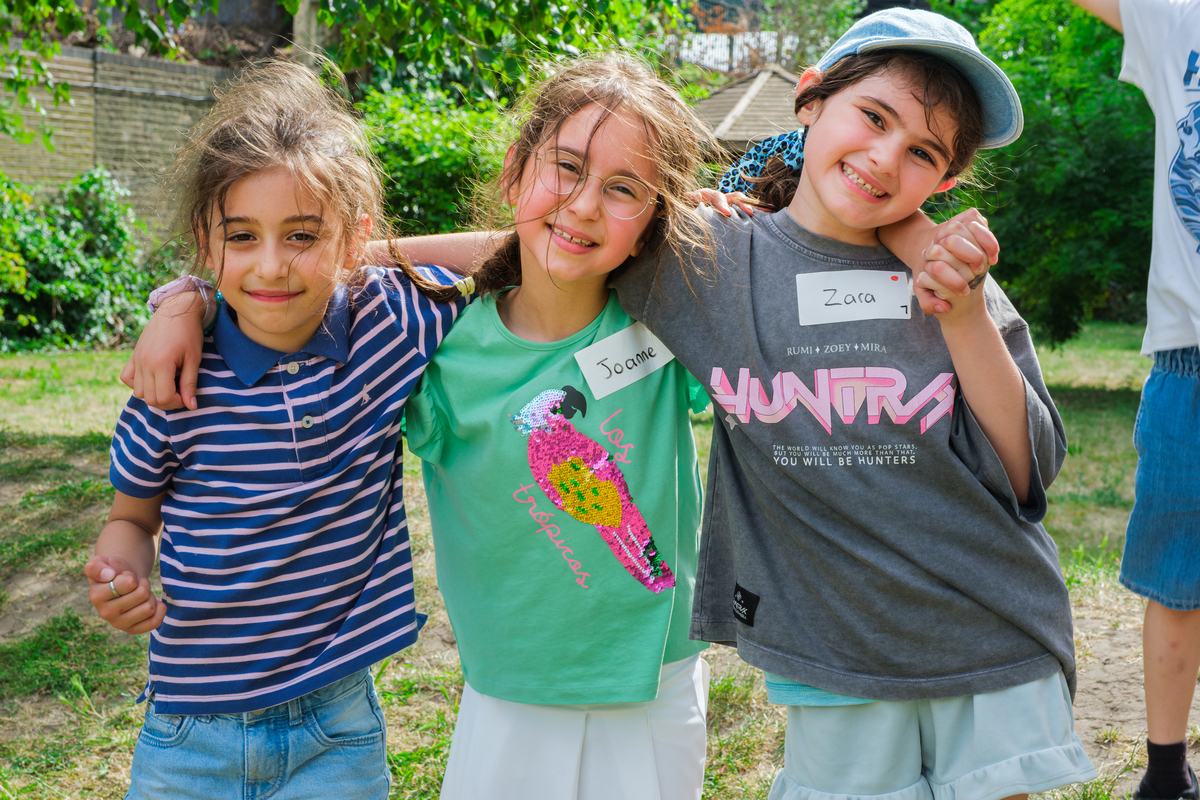
A New Environment Helps Children Discover Different Sides of Themselves
Children often fall into familiar roles at school. They might be known as "the sporty one", "the shy one" or simply stay within the same friendship group they've had for years.
A holiday camp gives them the chance to start with a blank slate.Whether your child is 4 or 14, holiday camps give children the opportunity to meet others of a similar age in a fresh environment where new friendships can develop naturally.
Without the routines, expectations and social dynamics of the classroom, children often feel more comfortable trying new activities, speaking to different people and stepping outside their usual comfort zone.
It's not uncommon for parents to be surprised when they hear their child confidently joined a new group, tried something they would usually avoid or made friends with children they had never met before.
Sometimes it's the child who usually clings to Mum or Dad at drop-off that's leading a team game by Wednesday. A change of environment can bring out confidence children (and even their parents) didn't realise was there.
Play Is One of the Most Powerful Tools for Social Development
Children don't build friendships through formal introductions.
They build them through play.
During imaginative games, sports, creative activities and collaborative challenges, children learn to communicate, cooperate, negotiate and solve problems together.
These are all essential social skills that continue to benefit them long after the school holidays have ended.
This is one of the reasons the American Academy of Pediatrics highlights play as an essential part of healthy child development. Research shows that play helps children build social, emotional and cognitive skills while strengthening their ability to communicate, cooperate and regulate emotions. While children simply think they're having fun, they're developing empathy, resilience, communication and emotional intelligence.
Confidence and Friendship Grow Together
Friendship and confidence have a powerful relationship.
When children feel accepted by their peers, they're more likely to try something new, speak up, join in and take on challenges they might otherwise avoid.
Each positive interaction reinforces their confidence, making future social situations feel easier.
That's why many parents notice their child returning home from holiday camp more independent, more talkative and more willing to step outside their comfort zone.
Sometimes, all it takes is one friendship to unlock that confidence.
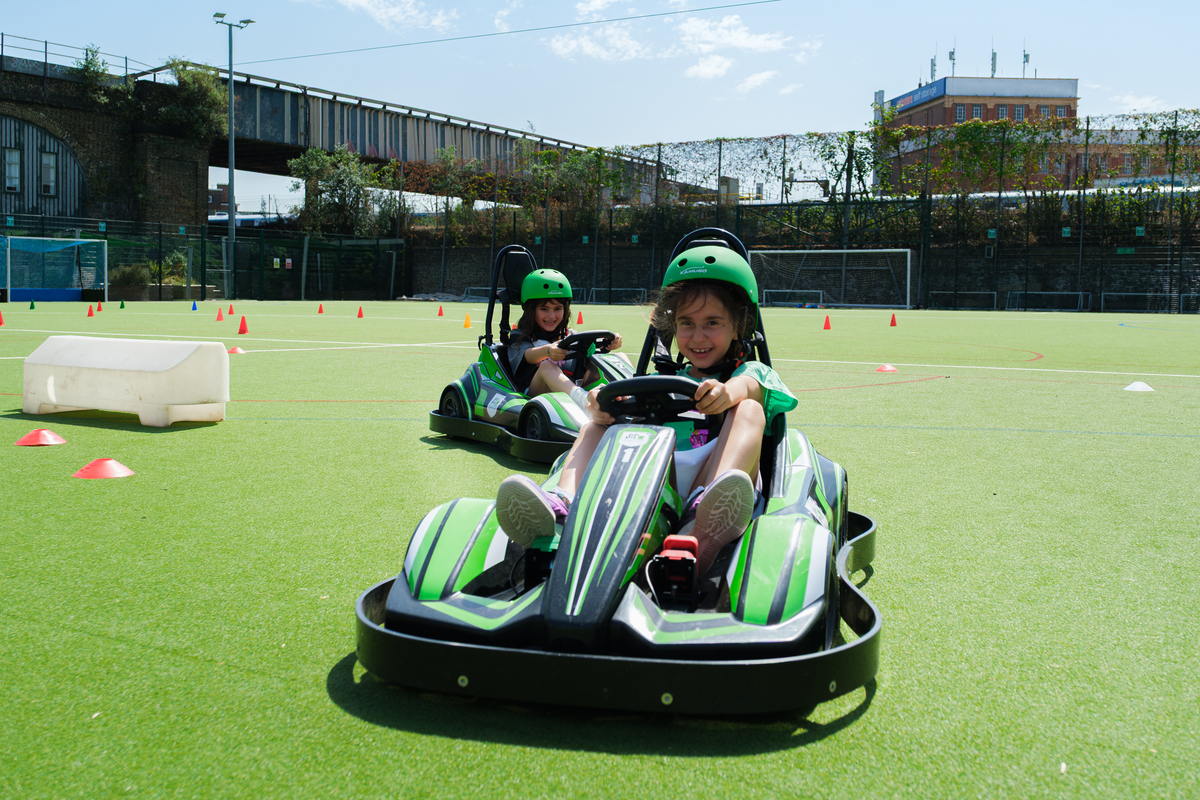
Why Feeling Safe Comes Before Making Friends
Before children feel confident enough to build new friendships, they need to feel safe.
Not just physically safe, but emotionally safe too.
Experienced camp leaders play an important role in creating that environment. They notice when a child is feeling nervous, encourage quieter children to join in and help everyone feel included without forcing interactions.
When children know they're supported by trusted adults, they're far more willing to step outside their comfort zone, start conversations and take the social risks that friendships often require.
It's one of the reasons the people leading a holiday camp can have such a lasting impact on a child's confidence, not because they make the friendships happen, but because they create the conditions for them to grow.
The Social Skills Children Build Last Long After Camp Ends
The friendships children make at holiday camps aren't just important because they're fun.
They're helping children practise life skills they'll use every day.
Learning how to introduce themselves.
Including someone who feels left out.
Working as part of a team.
Resolving small disagreements.
Celebrating someone else's success.
These experiences help children become more confident communicators and more empathetic friends – skills that benefit them at school, in sport and throughout life.
How Parents Can Support Their Child Before Camp
Children of all ages feel those first-day nerves, whether it's their first holiday camp at age four or they're trying a new camp as an older child.
The best thing parents can do is focus on the experience, not the outcome. Encourage your child to be curious, try something new and simply enjoy the day, rather than worrying about whether they'll make friends.
It can also help to remind them that many of the other children will be feeling exactly the same. Knowing they're not the only one with first-day nerves can make the experience feel much less daunting.
Remember that friendships don't have to happen on the first day. Some children connect instantly, while others take a little longer, and both are completely normal.
It's often the children who were most unsure about going that end up asking, "How many sleeps until camp starts again?"
Signs Your Child Is Building Healthy Friendships
You don't have to hear about a "best friend" to know camp is having a positive impact.
Look out for signs like:
- Talking excitedly about another child.
- Wanting to go back the next day.
- Mentioning stories that involve "we" instead of "I."
- Feeling more confident in new situations.
- Asking if they'll see their camp friends again.
Sometimes the clearest sign is simply that they can't stop talking about camp or they're already asking when they can go back.
These are all signs your child is developing important social skills alongside having fun.
More Than Just a Week of Fun
The best holiday camps offer far more than entertainment during the school holidays.
Sometimes the biggest change isn't the artwork they bring home or the stories they tell. It's the child who was nervous on Monday asking if they can come back next holidays.
They give children the opportunity to build confidence, develop important social skills, discover new interests and form friendships that help shape how they see themselves and others.
At Let's Leap, we've always believed that the most meaningful memories aren't created by activities alone. They're created by the people children meet, the challenges they overcome together and the sense of belonging they discover along the way.
Because sometimes the most valuable thing a child takes home from holiday camp isn't the craft they made or the game they won.
It's the confidence to walk into a room full of strangers... and leave feeling like they belong.
Frequently Asked Questions
Do children make friends easily at holiday camps?
Many do. Holiday camps naturally encourage children to spend time together through games, creative activities and shared challenges, making it easier for friendships to develop. While some children make friends on their first day, others take a little longer—and both experiences are completely normal.
What if my child is shy?
It's common for parents to worry about sending a shy child to holiday camp, but many quieter children thrive once they settle in. Experienced camp staff create an inclusive environment where children are gently encouraged to join activities without feeling pressured. Often, shared activities make starting conversations feel much more natural than they do in a classroom.
How long does it take children to make friends at holiday camp?
There isn't a set timeline. Some children form friendships within a few hours, while others build connections gradually over several days. The important thing is that holiday camps provide repeated opportunities for children to interact, helping trust and confidence grow naturally over time.
Will my child enjoy camp if they don't know anyone?
Yes. In fact, many children attend holiday camp without knowing anyone beforehand. Because everyone is taking part in the same activities together, children often begin talking and working together naturally. Many parents are surprised by how quickly their child settles in and starts looking forward to the next day.
How do holiday camps help children build confidence?
Holiday camps give children the chance to try new activities, make decisions independently and meet new people in a supportive environment. Each small success—whether it's making a new friend, learning a new skill or trying something for the first time—helps build confidence that often carries over into school and everyday life.
Why do children make friends so quickly at holiday camps?
Friendships formed at holiday camp are often built through shared experiences, teamwork and play rather than routine. Solving challenges together, laughing together and celebrating achievements creates positive memories that help children form meaningful connections in a short period of time.
